Introduction: Custom fishing jerseys serve different jobs across offshore trips, beach activities, and club events where exposure, comfort, and team recognition overlap.
A team apparel content planner usually has to translate one product name into several real-life scenes. A custom fishing jersey may be worn by an individual angler on the water, a group at a beachside event, or a club that wants consistent photos, sponsor marks, and member identity. Those uses are related, but they do not place the same emphasis on the garment. Offshore use raises questions about sun, wind, moisture, and long hours outside. Beach and club events add visibility, group coordination, and design clarity. The useful question is not whether one jersey can cover every possible outdoor need, but how to read the scenario behind the apparel.
A fishing jersey sits between outdoor clothing and team apparel. That makes the scene important. In an offshore setting, the jersey is read first as performance-oriented fishing apparel: it should look appropriate for long exposure, repeated movement, spray, heat, and changing light. In a beach or club setting, the same custom fishing jersey may be judged more quickly by its visual order: whether people can recognize the team, whether the colors work in photos, and whether the shirt feels like event clothing rather than a generic sports top. Public sun safety sources also make clear that outdoor protection is not a single-garment issue; clothing, shade, timing, sunscreen, and awareness of UV intensity all matter. That is why scene planning should treat UV-related wording as one factor inside a broader outdoor-use picture, not as a complete beach or offshore safety claim.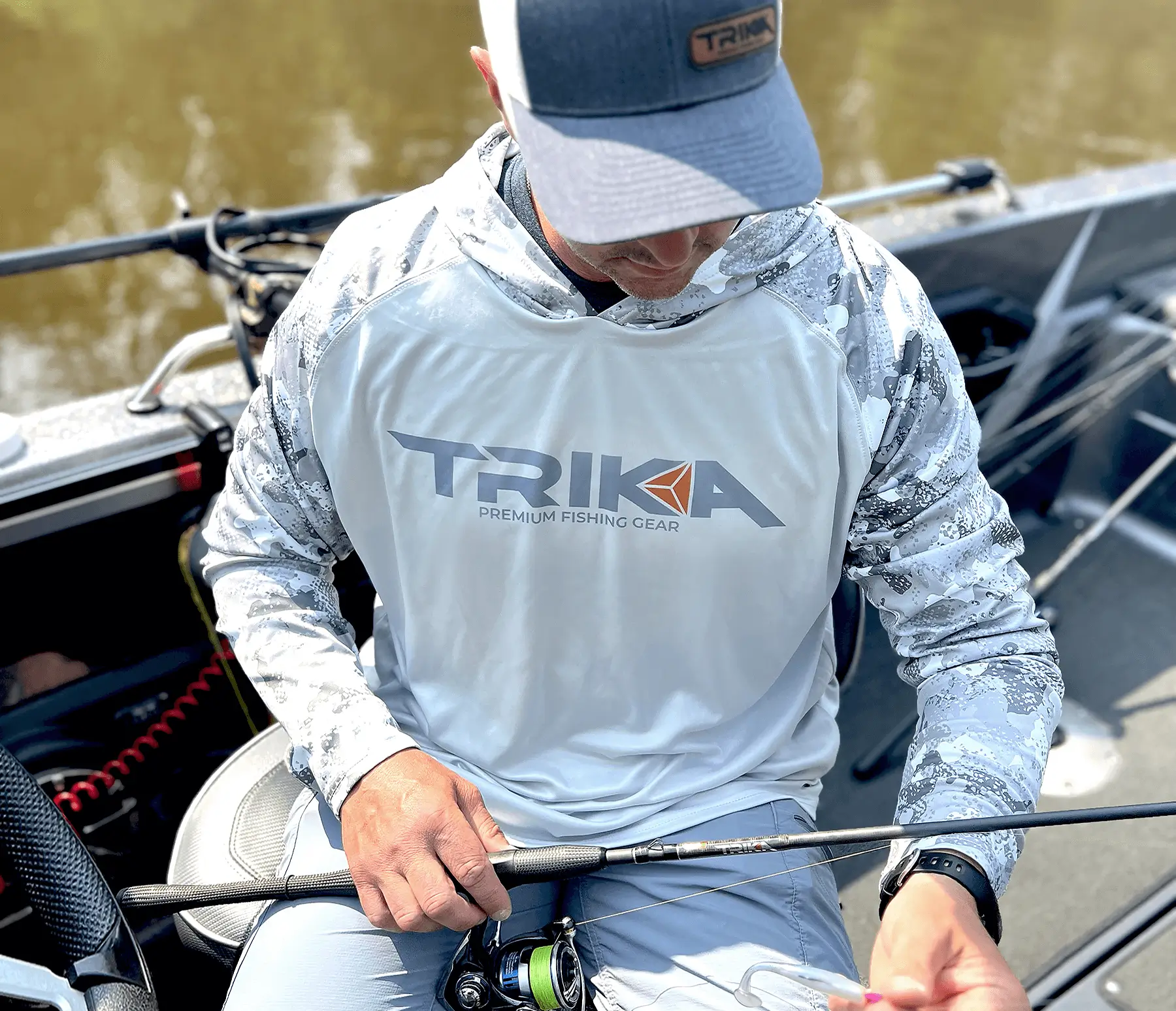
Offshore trips make the physical environment harder to ignore. People are often exposed to direct sun, reflected light from water, wind, salt air, and moisture for longer periods than a short social event. For a custom fishing jersey, that pushes attention toward coverage, fabric feel, quick-dry behavior, breathability, and whether UV or UPF-related wording is presented carefully. The US EPA’s UV Index scale is useful background here because it reminds readers that UV intensity changes by conditions and level; apparel decisions should not be separated from the day’s broader exposure risk. A sublimation fishing jersey with mesh fabric and quick-dry wording can make sense in this setting, but the apparel should still be described as part of an outdoor clothing system rather than a stand-alone sun solution.
Beach and club events usually make the jersey more social and visual. A team may still be outdoors, but the main communication job often shifts toward recognition: who belongs to the group, which club is hosting, which sponsors are present, and how the team appears in photos or videos. This is where full print design matters more than long technical claims. A full print fishing jersey for teams can carry color blocks, club names, boat names, member graphics, or logo placements across the garment without making the front chest do all the work. The best result is not the loudest possible shirt; it is a design that remains readable at a distance, does not overload sponsor marks, and still looks like fishing apparel rather than a casual event T-shirt with fish graphics added.
Full-print design is especially useful for fishing clubs because fishing team identity is often distributed across several visual signals. A club may want a main logo, member names, sponsor marks, a boat or region reference, and a color palette that matches previous uniforms. If all of that is forced into small chest decoration, the shirt can look crowded quickly. Full sublimation printing gives planners more surface area to organize those elements across sleeves, back panels, shoulders, and body graphics. The value is not simply that more artwork can be printed. The deeper value is that hierarchy can be built into the garment: the club identity can stay dominant, sponsor marks can remain legible but secondary, and decorative fishing graphics can support the theme without competing with the team name. This matters for events because jerseys are rarely viewed only from one angle. People see them in group photos, on docks, from the side of a boat, at registration tables, and in social media images. A full-print design can create continuity across those views when color, logo scale, and placement are planned as a system. For a team apparel content planner, the useful distinction is between decoration and recognition. Decoration makes a jersey look customized; recognition helps people identify the group quickly and repeatedly. That is why a custom fishing jersey for clubs should avoid treating every available print area as equal. The back may need strong team naming, sleeves may hold sponsor or member details, and the front may need enough empty space to stay readable when someone is wearing a life vest, holding gear, or standing in bright light. The Leemier full printing anti-UV custom fishing jersey is a practical product example for this kind of scene-based reading. Its visible product information connects Fishing, offshore, and Beach usage with Men, Women, and Youth options, full sublimation printing, custom logo support, custom labels, and mesh fabric described with quick-dry and Anti-UV/UPF-related wording. Those facts support the idea that this is custom fishing apparel with team and event use in mind. They should not be stretched into claims about a confirmed single UPF level across all versions, medical-grade protection, or suitability for every outdoor sport. For content planning, that boundary is useful: the product can anchor a full-print team jersey discussion, while UV and fabric claims remain carefully tied to the available product wording and broader outdoor safety context.
The most common planning mistake is treating a custom fishing jersey as just another outdoor sports shirt with a fishing graphic. That misses the layered role of the garment. General outdoor sportswear may prioritize movement, temperature, or broad comfort across running, hiking, training, or casual activity. Fishing apparel has a narrower story: water proximity, sun exposure, repeated arm movement, long standing time, gear handling, boat or shoreline settings, and group visibility. The difference is not always obvious from the fabric alone. It appears in the way the product is framed, the usage scenes it names, the artwork surface it supports, and the visual expectations of anglers, clubs, and event organizers. This boundary also helps separate the article from supplier or manufacturer selection. A fishing jersey manufacturer or fishing apparel supplier page may include MOQ, FOB price, OEM/ODM service, payment terms, or production ability, but those business terms are not the center of this use-scenario question. Here, the reader’s task is to understand how the same apparel category behaves across individual outdoor use, offshore or beach exposure, club identity, and team event presentation. Once that is clear, commercial details can be evaluated elsewhere without confusing the purpose of the garment. In content terms, the jersey should be described as scene apparel first: a wearable surface where function cues, fishing identity, and group recognition meet. The conservative wording matters because fishing scenes can be demanding. A page may mention Anti-UV, UPF, quick-dry, mesh fabric, anti-bacterial, or anti-mosquito features, but each phrase has its own evidence boundary. This article’s use-scenario lens does not turn those descriptions into test results or universal protection. Instead, it helps a planner decide where each claim belongs. UV-related wording belongs near offshore and beach exposure, alongside reminders that sun protection is broader than one shirt. Mesh and quick-dry wording belongs near comfort and repeated outdoor wear. Full sublimation and custom logo wording belongs near club identity, sponsor presentation, and visual consistency. That separation makes the content more useful because it keeps apparel meaning tied to the actual scene rather than collapsing every feature into one generic selling paragraph.
Custom fishing jerseys are most useful when they are planned around the scene rather than treated as ordinary outdoor shirts. Offshore use makes exposure, coverage, fabric feel, and careful UV-related wording more important. Beach and club events shift attention toward recognition, readable artwork, and consistent group identity. Full-print design works well because it gives teams more room to organize logos, colors, and event graphics without overloading one small decoration area. Leemier’s full printing anti-UV custom fishing jersey can be read as a relevant product example for Fishing, offshore, Beach, and team apparel scenarios, while final performance claims and detailed specifications should stay within confirmed product information.
Q:Can one custom fishing jersey work for both offshore trips and beach events?
A:Yes, the same custom fishing jersey can work across offshore and beach scenes when its design balances outdoor wear and group visibility. Offshore use puts more pressure on coverage, quick-dry comfort, and careful UV-related wording, while beach events often emphasize team recognition, color clarity, and photo-friendly artwork. It should still be treated as fishing apparel, not as a complete sun protection system or a replacement for other outdoor precautions.
Q:Why is full-print design useful for fishing clubs and team events?
A:Full-print design gives fishing clubs more space to organize identity. Instead of forcing the team name, sponsor marks, logos, colors, and fishing graphics into one small chest area, a full print fishing jersey for teams can distribute those elements across the body, sleeves, and back. This helps the jersey stay recognizable in group photos, event settings, docks, and shoreline scenes without making the design look crowded.
Q:Is a custom fishing jersey the same as a general outdoor sports shirt?
A:No. A custom fishing jersey may share some comfort goals with outdoor sportswear, but its meaning is more specific. It is designed around fishing scenes, water-adjacent use, angler identity, club visuals, and team uniform needs. A general outdoor sports shirt does not automatically carry the same full-print team role, fishing graphics, logo placement expectations, or offshore and beach usage signals.


