Introduction: Anti-UV fishing jerseys can support outdoor sun protection, but UPF wording needs careful reading before treating it as a confirmed specification.
For anglers, clubs, and apparel teams comparing a UV protection fishing jersey, the difficult part is often not the idea of sun protection itself. The harder question is how to read product claims when several terms appear together. Anti-UV, UPF, long-sleeve coverage, mesh fabric, offshore use, and beach exposure all sound related, but they do not mean the same thing. This article explains the boundary between anti-UV descriptions and UPF ratings, why outdoor fishing creates changing UV exposure, and how to interpret conflicting UPF 50+ and UPF30+ wording without overstating what a single jersey can prove.
An anti-UV fishing jersey is usually presented as apparel intended to reduce ultraviolet exposure during outdoor wear. That wording is broad. It tells the reader that UV protection is part of the product claim, but it does not automatically settle the strength of protection, the test method, the fabric condition during testing, or whether every panel of the garment performs the same way. A UPF fishing jersey, by contrast, uses a rating term connected to how much ultraviolet radiation a textile allows through under defined conditions. That difference matters because a claim category and a measured rating do different jobs in product reading. UPF also should not be read as the clothing version of an unlimited guarantee. A UV protection fishing jersey may cover the torso and arms better than a short-sleeve shirt, and that coverage can be useful for long periods on open water. Still, the rating language depends on the textile and the circumstances under which protection is assessed. A reader learning specifications should therefore ask what the product claim says, what rating is stated, whether the rating is consistent across the available product information, and whether any test basis or standard is actually named. When that supporting evidence is not visible, the more accurate conclusion is that the garment is described with UV/UPF protection wording, not that a final certified level has been proven to the reader. This distinction is especially important in B2B product content. A fishing apparel supplier or fishing jersey manufacturer may use anti-UV wording to communicate intended outdoor function, while buyers, merchandisers, or technical content editors need cleaner language for catalogs and customer-facing pages. If the visible information only says Anti-UV, the safer wording is to describe the jersey as having an anti-UV or UV protection claim. If a UPF value is stated, the value should be repeated only when it is consistent and supported enough for the intended use. If two values appear, the content should preserve the conflict rather than silently choosing the stronger claim.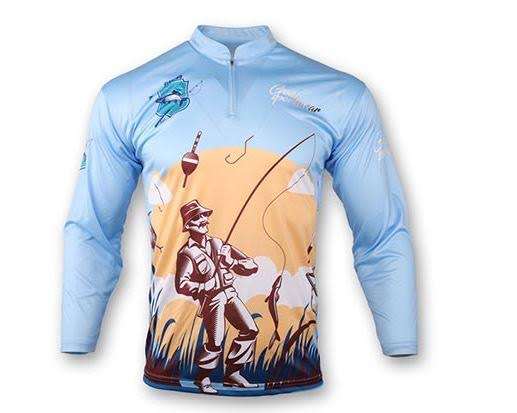
Fishing, offshore activity, and beach use place apparel in environments where UV exposure is not static. UV Index guidance is designed around changing solar intensity, and public health sources treat ultraviolet radiation as a real exposure risk rather than a simple comfort issue. UVA and UVB are discussed separately in health education because they affect skin in different ways, and outdoor exposure varies with time of day, location, season, cloud cover, shade, and reflected light. Open water and light-colored surfaces can make sun management feel less predictable than ordinary casual outdoor wear, so a jersey should be understood as one part of a broader sun protection approach. That broader approach is where anti-UV apparel has practical value but also clear boundaries. Long sleeves, higher coverage, and fabric that is intended for outdoor sports can reduce exposed skin compared with uncovered arms or casual short sleeves. For fishing teams and event apparel, a custom fishing jersey can also make coverage easier to standardize across men, women, and youth sizes when the garment design is selected carefully. But uncovered areas such as the face, neck, hands, and lower body still need attention, and clothing does not manage heat, glare, hydration, or sunscreen reapplication by itself. The best reading is not “this jersey solves sun exposure,” but “this jersey may contribute to a layered sun protection routine when its UPF claim is understood correctly.” Coverage is part of protection, not decoration: a long-sleeve fishing jersey can reduce direct exposure on covered areas, but protection drops wherever the garment does not cover skin, so neck gaiters, hats, sunglasses, sunscreen, and shade may still be needed during long offshore or beach sessions. UV intensity can also change during the same fishing day, because a morning launch, midday offshore period, and late-afternoon return may involve different UV Index conditions. Fabric condition adds another boundary. Sun-protective clothing references commonly discuss factors such as weave, density, color, stretch, wetness, and coverage, which help readers understand why a rating should be tied to textile conditions without proving the performance of a specific jersey. Product wording should therefore support health judgment rather than replace it, especially during long periods on open water.
The Leemier Full Printing Anti-UV Custom Fishing Jersey is a useful example of why UPF wording deserves careful reading. The product information includes Anti-UV and mentions UPF 50+ protection, while another visible feature line includes UPF30+. The product is also described for Fishing, offshore, and Beach use, with fishing jersey mesh fabric and full-print customization. Those are relevant product details, but the two UPF values should not be merged into one stronger conclusion. For a specification learner, the responsible interpretation is that the page contains UV/UPF protection signals and an unresolved rating inconsistency.
A product page can communicate intended use, feature direction, and customization scope without providing complete test evidence. In this case, Anti-UV and UPF wording support the idea that UV protection is part of the jersey’s stated feature set, but the visible conflict between UPF 50+ and UPF30+ prevents a clean single-rating statement. Public sources about UV exposure, UV Index, and sun-protective clothing can explain why UPF matters, but they cannot turn a page claim into a tested product result. That is why catalog copy, comparison notes, or internal product education should avoid phrases such as certified UPF, medical sun protection clothing, 100% sun protection, or guaranteed long-term UV protection unless separate evidence supports them.
The jersey’s fishing mesh fabric matters because textiles are not interpreted only by their product name. Sun-protective clothing guidance often points to fabric density, construction, color, stretch, wetness, and body coverage as factors that can influence how much UV reaches the skin. Mesh fabric may be chosen for breathability and outdoor comfort, but this article should not treat mesh structure as proof of a specific UPF level. In real product reading, the fabric description explains why buyers may care about wearability during fishing, while the UPF wording explains a separate protection claim that still needs consistent specification evidence. Keeping those two ideas separate prevents the UV claim from absorbing unrelated comfort features. This kind of boundary reading is useful for both technical content and customer education. If a listing, brochure, or product comparison uses the phrase anti-UV fishing jersey, it can naturally describe the garment’s sun-protection direction. If it uses UPF fishing jersey, the stated value should be traceable and consistent. If the source material contains both UPF 50+ and UPF30+, the better wording is conservative: the jersey is presented with Anti-UV and UPF protection claims, but the exact UPF rating should be confirmed from the current specification before being repeated as a final value. That keeps the product’s outdoor relevance visible without turning mixed wording into an unsupported promise.
Anti-UV fishing jerseys and UPF ratings are related, but they are not interchangeable. Anti-UV is a broad product claim, while UPF is rating language that needs consistent specification support and clear conditions. For outdoor fishing, offshore use, and beach exposure, a UV protection fishing jersey can be part of a layered sun protection routine, but it should not be treated as the only measure. When product information includes both UPF 50+ and UPF30+ wording, the most reliable reading is to preserve that boundary and confirm the current rating before using it as a fixed product specification.
Q:What is the difference between an anti-UV fishing jersey and a UPF fishing jersey?
A:An anti-UV fishing jersey is described as apparel intended to provide ultraviolet protection, but the phrase does not by itself define a measured protection level. A UPF fishing jersey uses rating language connected to textile UV transmission under defined conditions. The two terms can appear together, but anti-UV is a broader claim while UPF is a more specific rating that should be consistent and supported.
Q:Why should conflicting UPF 50+ and UPF30+ wording be treated carefully?
A:UPF 50+ and UPF30+ are different rating statements, so they should not be combined or resolved by choosing the higher value without confirmation. When both appear in the same product information, the safer interpretation is that the jersey carries UV/UPF protection wording but the final UPF specification needs verification from the current product specification or test evidence.
Q:Can a UV protection fishing jersey be the only sun protection used for offshore fishing?
A:No. A UV protection fishing jersey can help cover the areas it physically protects, especially during long outdoor wear, but offshore fishing can involve changing UV intensity, reflected light, and exposed skin on the face, neck, hands, and legs. Sunscreen, hats, sunglasses, shade, and local UV guidance should still be part of a complete sun protection routine.
Ultraviolet radiation | World Health Organization
Sun Protective Clothing — DermNet


